Learning science study guide
A simple study system for active recall, spaced repetition, and focus
The best study system is not the fanciest one. It is the one you can repeat when you are tired, busy, and tempted to reread everything instead of testing yourself.
In a recent study discussion, the same theme kept showing up: active recall and spaced repetition are powerful, but consistency is what makes them work. That lines up with learning science research: durable learning comes from retrieval, spacing, varied practice, and explaining ideas in your own words.
A basic system you actually repeat is better than a perfect system you quit after three days. Here is a version you can use with notes, lectures, PDFs, and Anki.
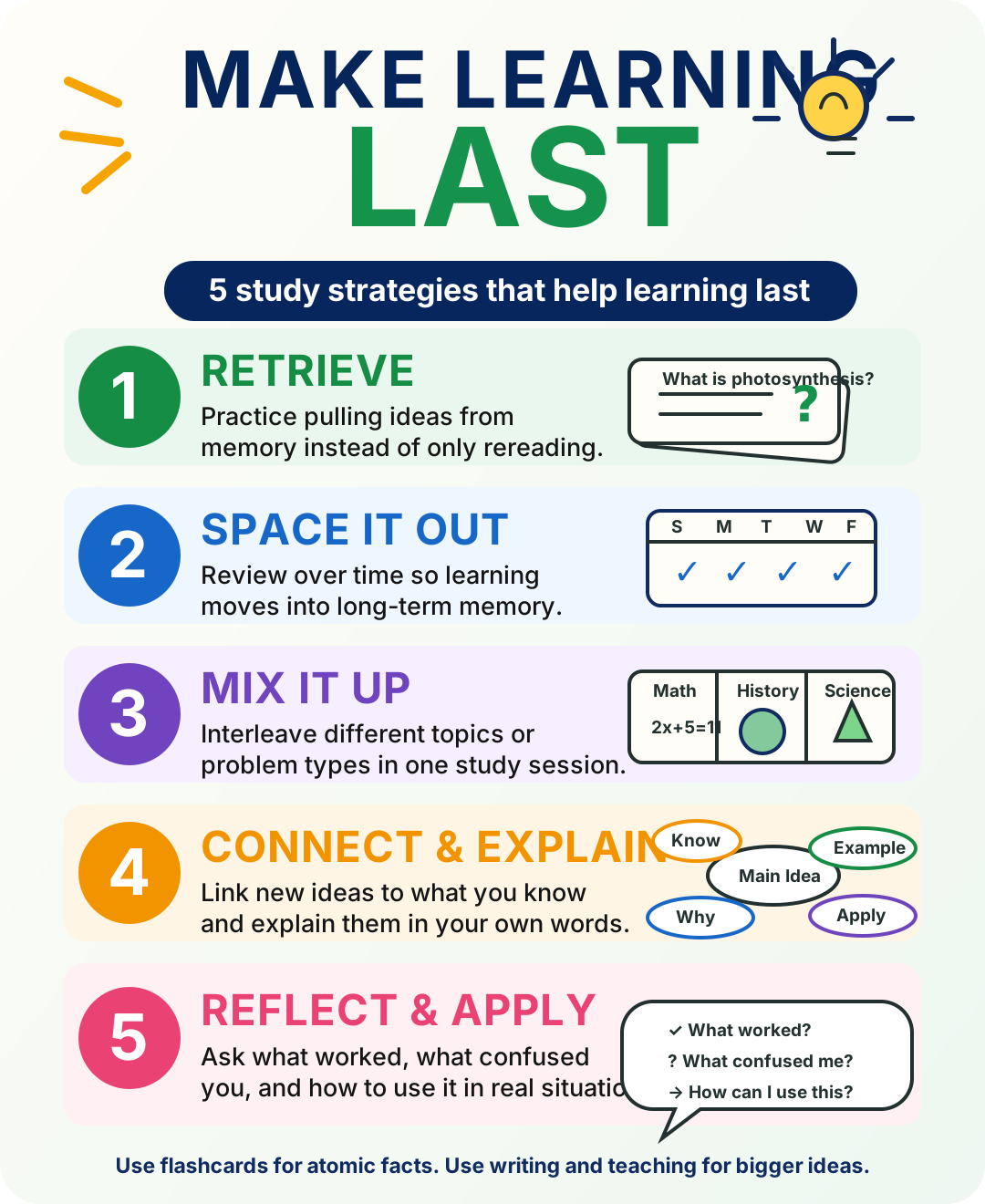
Active recall
Close the book and pull the answer from memory. If it feels a little hard, that is usually the point.
Spaced repetition
Review the same idea after time has passed: tomorrow, a few days later, then again next week.
Elaboration
Explain why the idea matters, connect it to something you already know, and add a concrete example.
Interleaving
Mix related problem types or topics instead of doing one comfortable block for hours.
Teach what you learn
Explain the concept out loud to a friend, a study group, your camera, or an imaginary beginner.
The 5-minute recall rule
After each study block, stop consuming information. Close the tab, book, or PDF. Spend five minutes writing four to six sentences from memory:
- What was the main idea?
- What are the key terms, formulas, steps, or distinctions?
- What did I misunderstand or forget?
- Which facts are small enough to become flashcards?
This prevents the classic mistake of making 80 cards from a chapter when 12 focused cards would do the job. Use flashcards for atomic facts. Use short writing, practice problems, and teaching for bigger conceptual understanding.
How to use Anki Generator with this system
- Paste your notes or upload a small PDF/DOCX.
- Generate a first draft of cards.
- Delete weak cards ruthlessly.
- Edit cards so each one asks for one clear thing.
- Export to Anki and let spaced repetition handle the schedule.
For ADHD and focus challenges: reduce friction before you chase motivation
Some learners, including people with ADHD, may find studying harder when task initiation, working memory, time awareness, or switching costs get in the way. These are general study suggestions, not medical advice or treatment. The goal is to make the next action obvious and small.
Keep sessions short, visible, and specific. “Study biology” is too vague. “Make five cards from pages 3-5, then stop” is usable.
A simple weekly rhythm
Use active recall every session, spaced repetition every day you can, elaboration when a concept feels slippery, interleaving for problem-solving subjects, and teaching before quizzes or exams.
The system is not magic. It works because it asks your brain to retrieve, compare, explain, and revisit. That is how study time turns into memory instead of just familiarity.
Learning science sources
These strategies are consistent with learning-science research on retrieval practice, spaced practice, interleaving, elaboration, and reflection. A helpful popular book on this topic is Make It Stick: The Science of Successful Learning by Peter C. Brown, Henry L. Roediger III, and Mark A. McDaniel, published by Harvard University Press.
This site is independent and is not affiliated with or endorsed by the authors, publisher, Anki, or any third-party study platform.